Development Equity in Hackney
Access equity investment and JV partnerships for your Hackney development projects. Fund up to 100% of project costs with profit share structures from 20-50%. Build more projects with less of your own capital while retaining the majority of the development profit.
Discuss Your Equity Requirements
Up To
100%
Project Costs Funded
Profit Share
20-50%
To Equity Partner
No
Monthly
Interest Payments
Shared
Risk
& Reward
What Is Development Equity?
Development equity is risk capital provided by an investor in exchange for a share of the development profit. Unlike development finance or mezzanine loans, which charge a fixed interest rate and must be repaid regardless of outcome, equity investment is true partnership capital. The investor shares in both the upside potential and the downside risk of the project, aligning their interests directly with the developer's success.
For Hackney developers, equity partnerships open doors to projects that might otherwise be beyond reach. Whether you're an experienced developer looking to scale up without tying up all your personal capital, or a newer developer with a strong project but limited funds, equity partners provide the financial foundation that enables you to proceed. The developer brings their expertise, local market knowledge, and project management skills; the equity partner brings the capital.
The most common structure is a Joint Venture (JV) arrangement, where a Special Purpose Vehicle (SPV) company is established for the specific project. The JV agreement governs every aspect of the partnership, from capital contributions and profit sharing to decision-making authority and exit provisions. This creates a clear, legally defined framework within which both parties operate, ensuring transparency and accountability throughout the project lifecycle.
Development equity is not free money. While there are no monthly interest payments to service, the equity investor receives a meaningful share of the development profit, typically 20-50% depending on the structure and the investor's contribution. The key advantage is that this cost is variable rather than fixed: if the project generates exceptional returns, both parties benefit; if the project underperforms, the shared cost structure provides a buffer for the developer.
Equity vs Debt: Understanding the Difference
Choosing between equity and debt financing fundamentally changes the risk profile, cost structure, and profit allocation of your Hackney development.
| Feature | Development Equity | Development Debt |
|---|---|---|
| Return Structure | Share of development profit (variable return) | Fixed interest rate (predictable cost) |
| Risk Sharing | Investor shares in losses as well as gains | Lender expects full repayment regardless |
| Developer Profit | 50-80% of net profit (after investor share) | 100% of profit (minus interest costs) |
| Monthly Costs | No monthly payments during build | Interest (often rolled up but accruing) |
| Security | Equity stake in SPV, JV agreement | Charge over property, personal guarantees |
| Upside Sharing | Investor participates in outperformance | Lender receives fixed return only |
| Developer Capital | Potentially zero contribution required | 10-30% equity contribution required |
| Control | Shared decision-making (reserved matters) | Developer retains full operational control |
| Best For | Capital-light developers, higher-risk projects | Experienced developers, proven project types |
Profit Share Structures
Development equity partnerships can be structured in several ways. The right structure depends on how much capital you can contribute and the level of control and profit share you want to retain.
Standard JV
Investor Share
40-50%
Developer Share
50-60%
The most common structure where the equity investor provides all required capital and the developer provides expertise, project management, and their development platform. Suited to newer developers or those looking to minimise capital commitment.
Investor Contributes
100% of equity
Developer Contributes
Expertise & management
Co-Invest JV
Investor Share
25-35%
Developer Share
65-75%
The developer co-invests alongside the equity partner, contributing 20-30% of the equity requirement. The developer's financial commitment demonstrates confidence in the project and typically negotiates a larger profit share. Common for experienced developers.
Investor Contributes
70-80% of equity
Developer Contributes
20-30% equity + management
Preferred Return + Promote
Investor Share
20-30% after hurdle
Developer Share
70-80% after hurdle
The investor receives a preferred return (typically 8-12% per annum) on their capital before any profit split. Remaining profits above the hurdle are shared with the developer receiving a larger share (the 'promote'). Aligns interests by rewarding outperformance.
Investor Contributes
100% of equity
Developer Contributes
Expertise & management
JV Equity Arrangements Explained
A Joint Venture (JV) equity arrangement is the most common structure for development equity partnerships in Hackney. It provides a formal legal framework governing every aspect of the partnership, from how capital is deployed to how profits are distributed and disputes are resolved.
The JV is typically operated through a Special Purpose Vehicle (SPV), a limited company created specifically for the development project. Both the developer and equity investor become shareholders (or lenders to the SPV), with the JV agreement sitting alongside the company's constitutional documents to govern the relationship. This ring-fences the project from both parties' other business activities and creates clear accountability.
Key JV Agreement Provisions:
When Development Equity Is the Right Choice
Equity is not always the best option, but in the right circumstances it can transform your ability to develop in Hackney. Here are the scenarios where equity adds the most value.
You have identified a viable Hackney development opportunity but lack the 25-30% equity required for a standard development finance structure. An equity partner provides the capital you need without the obligation of fixed interest repayments.
You are an active developer looking to take on multiple projects simultaneously. Rather than concentrating all your capital in one scheme, equity partners allow you to spread across several developments, diversifying risk and accelerating growth.
As a newer developer, partnering with an experienced equity investor lends credibility to your project and provides access to the investor's network of lenders, contractors, and professional advisors. This mentorship element can be invaluable.
For complex or higher-risk developments such as heritage conversions, large-scale mixed-use schemes, or projects requiring planning permission, sharing the risk with an equity partner provides a safety net if the project encounters challenges.
When a project has a modest profit margin that cannot comfortably absorb the combined cost of senior debt plus mezzanine interest, equity's variable cost structure provides flexibility. If profits are lower than expected, the equity partner shares the reduced returns.
Equity investors are sometimes willing to fund speculative pre-planning acquisitions that debt lenders will not consider. Purchasing a Hackney site, obtaining planning consent, and then developing or selling with planning represents a classic equity-funded strategy.
Equity-Funded Development in Hackney
Consider a 10-unit residential new build in Shoreditch, Hackney. The developer has identified the site, secured planning permission, and has a proven track record of delivering similar schemes. However, their available equity is committed to another project. An equity partner steps in to fund the equity requirement, enabling the developer to proceed without delay.
Project Economics
Profit Distribution
With a 60/40 profit share (developer/investor) and the equity investor funding 100% of the £990,000 equity requirement:
Developer Receives
£852K
60% of profit
Zero capital invested
Investor Receives
£568K
40% of profit
57% return on capital
Alternative: Developer Self-Funds
If the developer had self-funded the £990K equity, they would retain the full £1,420,000 profit but would have £990K of capital committed to this single project. With equity, the developer earns £852K in profit from zero capital invested, and their £990K is free to deploy elsewhere.
Important Note
This example is simplified for illustration. Actual profit shares, finance costs, and returns will vary based on specific project economics, JV terms, and market conditions. Professional advice should be sought before entering any equity partnership.
Why Equity Investors Target Hackney
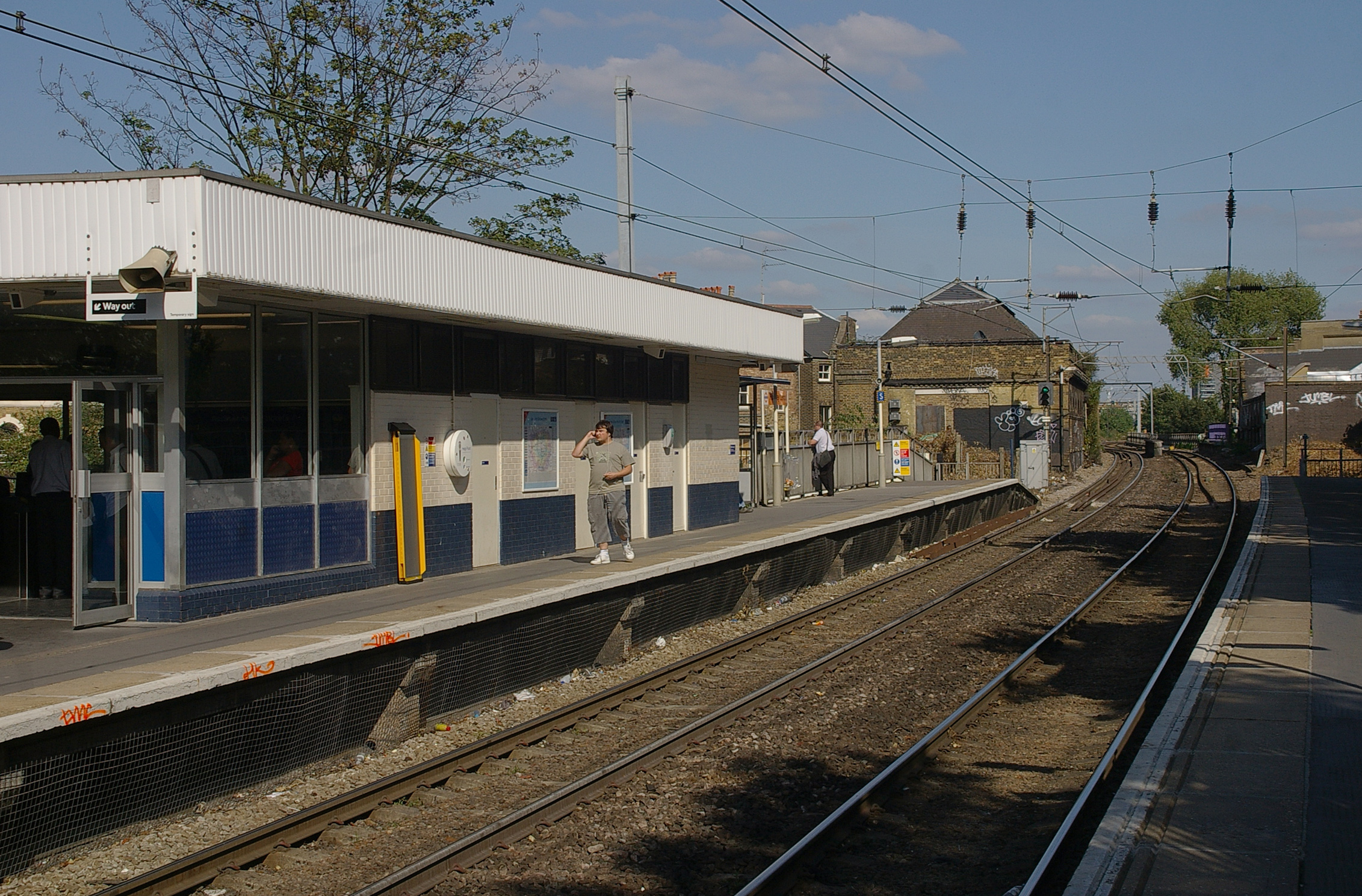
Hackney is one of the most attractive boroughs for development equity investors due to its combination of strong demand, infrastructure investment, and ongoing regeneration. The borough's diverse range of sub-markets, from the premium waterfront locations of Dalston and De Beauvoir Town to the regeneration hotspots of London Fields and Hackney Wick, provides equity investors with opportunities across the risk and return spectrum.
The London Overground at Hoxton, continued expansion of Dalston, and Olympic legacy regeneration around Shoreditch all provide structural tailwinds that support property values and development viability. Equity investors recognise that well-located, well-conceived developments in Hackney benefit from these macro trends, reducing risk and enhancing return potential.
For developers, this investor appetite translates into competitive terms and a wider choice of equity partners. Our relationships with specialist property equity funds, high-net-worth individuals, family offices, and institutional investors give you access to capital from multiple sources, allowing us to match your project with the most suitable partner based on investment size, sector preference, and partnership style.
Investor confidence: Hackney' proven track record of value creation and strong comparable evidence make it one of London's most investable development markets.
Development Equity FAQs
Frequently asked questions about development equity and JV partnerships for Tower Hamlets projects.
Other Finance Solutions
Development equity complements our range of debt finance products. Many projects use a combination of equity and debt to optimise the funding structure.
The senior development loan that typically funds 60-70% of project costs. Development finance forms the foundation of most capital structures, with equity filling the remaining requirement.
Learn MoreFast short-term funding completing in 5-10 working days. Useful for securing development sites quickly before arranging the permanent funding structure including equity.
Learn MoreAn alternative to equity for reducing your capital contribution, mezzanine provides second charge debt funding. The choice between mezzanine and equity depends on your circumstances.
Learn MoreDevelopment Equity Across Hackney
We connect developers with equity partners for projects throughout Hackney. Select your area to discover local development opportunities.
Looking for Development Equity in Hackney?
Connect with equity investors and JV partners for your Hackney development project. Whether you need 100% funding or just the equity layer, our team will match you with the right partner.
- Up to 100% of project costs funded
- Profit shares from 20-50%
- JV and co-invest structures
- No monthly interest payments
- Aligned investor-developer incentives
- Diverse panel of equity providers